
Picture two individuals in the gym standing side by side. One is on the running machine running as hard as possible, sweating as they attempt to give that little extra. With a laser-like focus on every controlled repetition, the other holds a pair of dumbbells. They both believe exercising is the best method of being healthy for an extended period, but who is correct?
If you have ever considered it, you are not alone in such a debate. For a long time, most people have perceived strength training and cardio as two exclusive fitness philosophies, but what’s the truth? They are partners rather than competitors. Each plays a unique role in building a strong, balanced body. Knowing their merits will help form a possible fitness routine you can consider sustainable.
As a traveling personal trainer, I have worked with clients in homes, hotels, and parks nationwide. I have often seen how strength and cardio fit into any lifestyle. It doesn’t matter what your schedule or equipment looks like. Balancing both is crucial for long-term health, mobility, and vitality—not picking one over the other. Let’s dissect it.
Understanding the Basics: Cardio & Strength Training
Cardio and strength training are the two main types of exercise discussed in fitness. Many people misunderstand their functions, how they interact, and whether one is more important. The truth is that they are most effective together.
What Is Cardio?
Cardio can be defined as anything undertaken physically to get your heart pumping and keep it at a high rate over time, whether walking or dancing briskly, swimming, cycling, or running. The goal is to work your heart and lungs while increasing their effectiveness over time.
Experts divide cardio into three main groups:
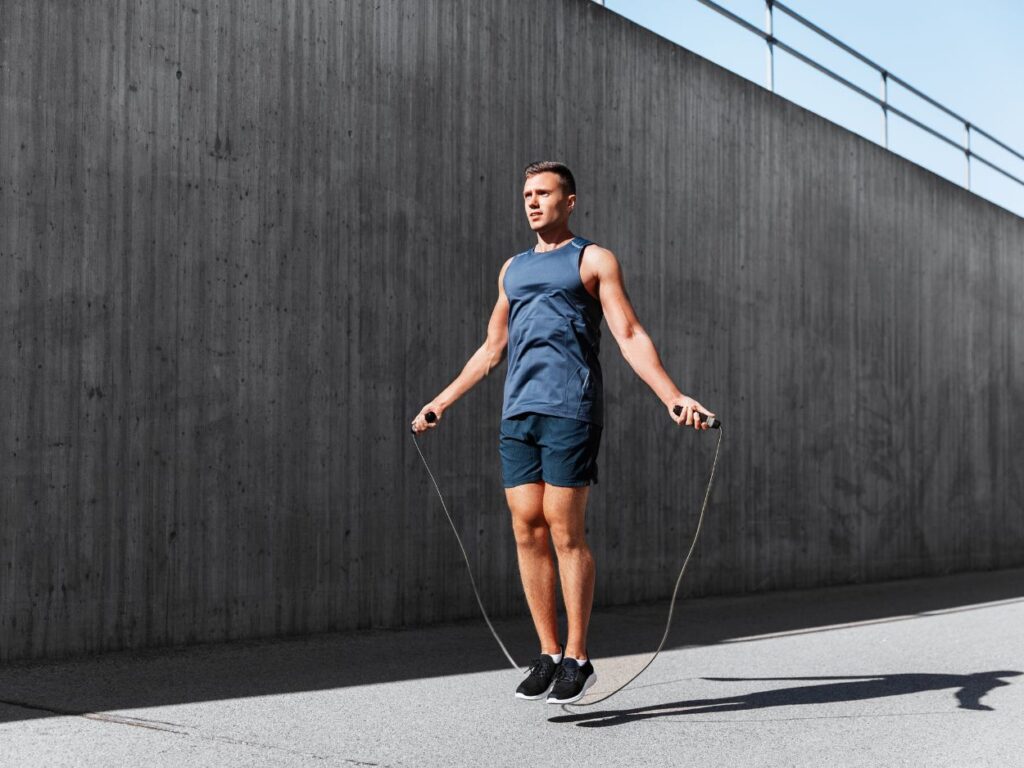
- Although hard on the knees, high-impact cardio, such as running, jump roping, and plyometrics, will help you develop endurance.
- Walking, hiking, and biking are low-impact cardio, a little less challenging but still getting your heart beat more moving.
- For injury rehabilitation, rowing and swimming are excellent low-impact cardio options, as they help stabilize the body.
Most people mistakenly think that cardio has to be really hard to work. Even simple activities like house cleaning or gardening can strengthen your heart if your heart rate remains in a particular range. (Source: American Heart Association)
What is strength training?
Also known as resistance training, strength training causes muscles to work against external forces. Consider bodyweight drills, including push-ups and squats. Another option is to use resistance bands or lift weights. Strength training maintains and develops muscle; cardio improves endurance.
You can approach strength training in various ways:
- Free Weights: Do workouts using barbells or dumbbells to move your body as one.
- Machines: Resistance-training machines target specific muscles.
- Bodyweight Exercises: These movements do not require equipment like push-ups and planks.
Progressive overload is a gradual increase in weight. Over time, your muscles grow, and strength builds. In strength training, this is quite important.
What causes the confusion?
Many individuals believe they need to choose between cardiovascular and strength conditioning. They presume one is preferable to the other. For instance, weightlifters will avoid cardio because they think it would stave off muscle development. On the other hand, runners will avoid weightlifting since it will slow them down. Yet, studies reveal that integrating both results in a more resilient, well-rounded body (Source: Strength and Conditioning Research Journal)
You need a balance. Whereas cardio improves heart function and endurance, strength training helps metabolism, bone density, and muscle retention. Taken together, these provide a comprehensive roadmap for long-range wellness. Think of cardio and strength training as complementary tools. Each one is key to your fitness journey, not competing methods.
The Case for Cardio: More than Just Heart Health
Cardio is typically seen as a means to “earn” a few more pizza slices or lose calories. Still, as a personal fitness instructor, I want you to know that cardio goes beyond that. With benefits beyond losing weight or running on a treadmill, it is vital to remain healthy for many years. Look at why cardiovascular should be a regular workout program and how it works.
A Winning Combo: Heart Health and Longevity
Regular cardiovascular training can reduce your chances of the number one cause of death in the world: heart disease. Just as it does with other muscles, exercise boosts your heart. Jogging, cycling, or fast walking are heart-friendly activities. All three activities reduce your heart and blood vessels work by lowering your resting heart rate, but they improve nonetheless.
Normal blood flow and prevention of stiff arteries depend on good endothelial function; therefore, cardio equals it. Endothelial function is your blood vessels’ ability to constrict and expand. Minor improvements in fitness can lower heart disease death rates by up to 18 percent. (Source: British Journal of Sports Medicine)
The Veterans Affairs Medical Center discovered that fitness decreases the risk of death among individuals of all ages and backgrounds. It highlights the importance of staying fit for a longer life.
What is the primary message? You don’t have to be an elite athlete to reap the benefits of such an exercise program. Even a 150-minute weekly aerobics program, with moderate intensity values, can change a life regarding health.
Cardiovascular Exercise’s Triple Threat towards Disease Prevention
Not only do cardio workouts help you maintain a strong heart, they also assist in chronic disease prevention. Here’s the reasoning:
- Regarding blood pressure regulation, the American College of Cardiology (2023) notes that continuous aerobic exercise lowers blood pressure by 5-8 mmHg in both diastolic and systolic readings.
- Harvard T.H. Cholesterol Regulation: According to Chan School of Public Health (2023), cardiovascular activity raises “good” HDL cholesterol while lowering “bad” LDL cholesterol and triglycerides.
- Cardio activity lowers the chances of type 2 diabetes by improving insulin sensitivity and returning blood sugar to normal.
A Personal Trainer’s Philosophy on Sustainable Cardio
The science is prominent, but let’s faces it: perseverance is more complex than cardio exercise. I tell my clients to engage in activities that bring them genuine enjoyment. Do you find running dull? No issue. You can go dancing, swimming, or briefly walk in the park.
Perfection is unnecessary; all that is required is consistency. I also really love High-Intensity Interval Training (HIIT). It is efficient, great, and good for those with little time.
For example, you may get all the benefits from a 20-minute heart rate training session, similar to a run for about 40 minutes. Finally, ensure that you monitor progress, whether with a fitness tracker or just a daily notebook; seeing you improve might be a great motivator.
Cardio for Mental Health: The Unsung Hero
Although many neglect its influence on mental health, the physical advantages of cardio exercises are well known. Cardio releases feel-good serotonin that raises you and lowers tension. It also reduces depression and stress. It checks the stress response by managing the hypothalamic-pituitary-adrenal (HPA) axis.
There is no reason to neglect sleep. A moderate-intensity aerobic exercise regimen may improve sleep by pacifying and synchronizing the circadian rhythms. If you’re awake all night, walk or jog in the morning to make it all better.
Aerobic workout is more of a way of life than actual physical therapy. Its value has been verified over decades; this includes cardiovascular health and disease prevention, longevity, and mental health.
The key is finding and maintaining a delightful cardio exercise routine. Whether you run in the mornings, dance in your living room, or go for a Saturday morning bike ride, your head and heart will appreciate decades of déjà vu.
Does cardiovascular exercise outperform strength training in terms of effectiveness? In fact, both are required. Cardiovascular exercise is essential for long-lasting health, and it is wise not to overlook it.
The Power of Strength Training: Not Just Muscles.
Strength exercises conjure some visions of heavy weights and muscular biceps. Weightlifting, however, is among the most effective ways to enhance long-term health, mobility, and resilience to injury. But it’s really all about much more than visual appeal. We all need strength training; it helps everyday activities, increases metabolism, and encourages proper aging.
Stronger Bones, Lower Injuries
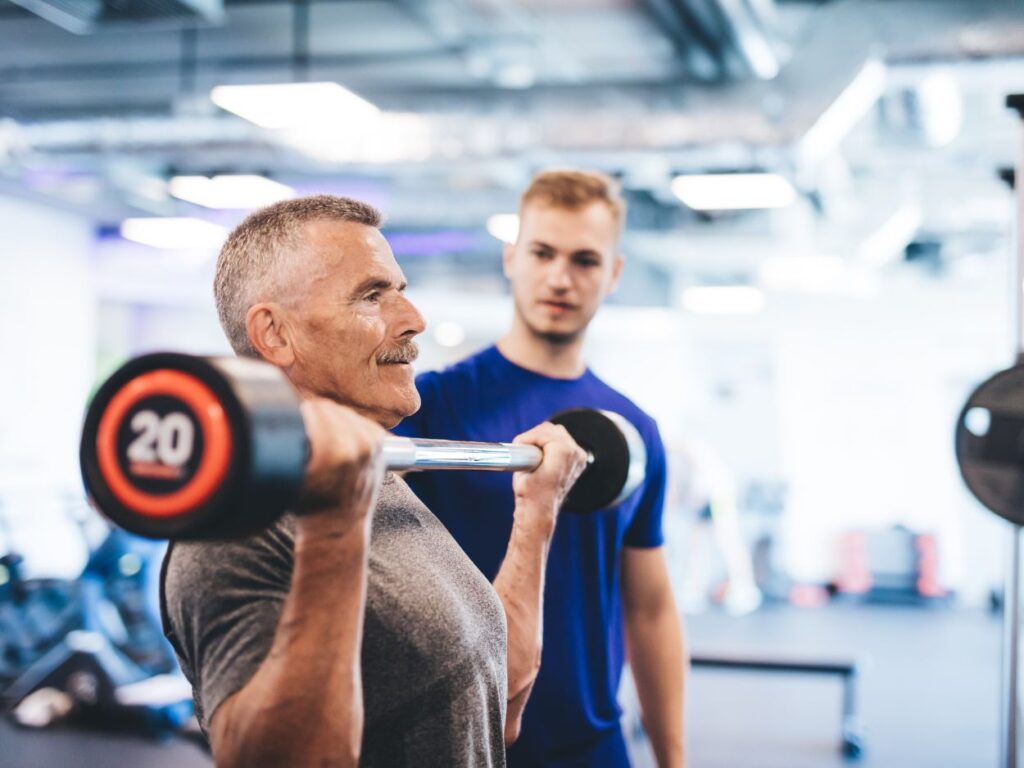
The effect on bone density is arguably the most underappreciated benefit of strength training. Also, there is expected rise in the risk of injury and osteoporosis due to age-related loss of bone density. Resistance training mainly would be via weight-bearing movements—including overhead presses, deadlifts, and squats—that help to strengthen bone and preserve bone mineral density. (Source: Harvard Health)
It’s interesting to note that even light strength training can slow bone loss. It is significant for postmenopausal women at high risk for osteoporosis. Building your muscles helps protect your joints. More muscle strength encourages the body’s spine, hips, and knees to have less likely chances of injury and falling down.
Strength training can be done almost anywhere, including bodyweight strength exercises and simple strength training movements such as lunges and push-ups. A set of portable resistance bands also gives you the best bone workout. Join the gym to keep fit and be constantly on the go.
Metabolism and Weight Management: Burning More Calories
Muscle mass has been, at times, the secret for some people regarding the differences some exhibit in the ways their bodies can manage weight without much stress using calories. In contrast, others have proved to be more challenging to manage.
Strength training improves metabolism whether exercising or not. Muscles being lean imply that our bodies consume even more calories during the day because of higher metabolic activity in muscular tissue.
Research at Harvard Medical School shows that the higher the resting metabolic rate (RMR), the better resistance training. Well, this will aid in fighting against the very natural decrease in metabolic processes that come with aging. Afterburn is a very fruitful strength training metaphor; it refers to causing a body to continue burning calories for hours after exercise.
Cardio primarily burns calories while performing the activity.
Strength training offers two key benefits for those worried about weight gain as they age. First, it helps maintain muscle mass, and second, it stops fat from building up. Focus on body composition, not just the scale. Muscles must grow in size, while fat levels in the body need to go down so that a person becomes healthier and more active.
Functional Strength: The Key for Graceful Aging
Strength training allows better mobility during daily tasks and enhances athletic performance. Walking upstairs, playing with one’s grandchildren, or carrying a bag of groceries all call for functional strength. Strength training helps one include strengthening activities in their routine.
As an NM practitioner, I have stated that such training helps an aging person maintain independence; it reduces sarcopenia and muscle loss related to aging.
Without strength training after 30, we lose 3-5 percent of muscle mass every 10 years. This muscle loss directly impacts mobility, balance, and coordination, which increases the risk of hospitalization and falls. Regular strength training, like step-ups or bodyweight squats, can stop these declines and help you stay active and injury-free.
A Practical Approach to Strength Training
You can enjoy the advantages of strength training without using bulky barbells or intricate exercise equipment. Muscle development protects your joints, and increased muscle strength helps prevent falls and injuries by supporting your spine, hips, and knees.
Here are simple and effective ways to include strength training in your routine.
- Bodyweight Workouts: Exercises like lunges and push-ups can be done nearly everywhere. You could also do these exercises in the confines of your house, when on the run, or when you are just starting out on resistance training.
- Resistance Bands: Many people find them portable and use them for weight exercises that involve the entire body but would otherwise be too heavy.
- Kettlebells or dumbbells: If you have weights, try compound exercises. Deadlifts and overhead presses provide you with the best results in a short amount of time.
- Progressive Overload: Doing this exercise keeps your muscles under constant stress by ramping up resistance gradually.
If you are hesitant to begin strength training, remember that it depends on regularity and slow advancement. Weightlifting is not really the issue. If you do not know how to do this, contact a qualified personal trainer. They can assist you in using the proper technique and form. That way you get all the benefits of strength training, but you get to hang out with your friends at the same time.
Strength for Life
Strength training is a longevity strategy supported by science, not another fitness fad. It improves quality of life at any age, prevents injuries, boosts metabolism, and guards against osteoporosis. It’s never too late to take control of your health and develop strength, regardless of age—20, 40, or 60.
When you pick between cardio and weight training next time, remember that strength training builds muscles, increases resilience, and boosts vitality for life.
Right Balance between Cardio and Strength Training
Balancing strength and cardio training is key for long-term health. It matters more than choosing one type based on your goals. What’s the best course of action? Aim for a thoughtful combination that suits your body’s requirements.
Assess Your Goals
If weight loss is your aim, work on cardio mostly. Weekly aerobic sessions and at least two added days of strength training must total three to four times for muscle and metabolism maintenance.
Strength training will be the central part of your program to gain muscle. Aim for three to four lifting sessions each week. Also, moderate cardio, like incline walking or low-impact cycling, should be added to improve heart health without losing gains (NIH).
Maintaining balance is essential for achieving physical fitness. Combining three strength days, two to three cardio sessions, and one active recovery day (such as yoga, mobility exercises, or walking) keeps the body strong, flexible, and resilient.
A Sample Weekly Routine
- 3-Day Strength: Complete body exercises that target key muscle groups.
- Cardio for 2 to 3 days: Cycling, swimming, or running to build endurance.
- Active Recovery Day: To avoid burnout, practice yoga, stretching, or light exercise.
Hybrid sessions are revolutionary for hectic schedules. Try 30-minute circuits that combine cardio and strength training.
For example, incorporate deadlifts into rowing intervals or kettlebell swings followed by jump squats. With this practical, metabolism-boosting approach, you can stay in shape without sacrificing time.
What is the most effective exercise? You’ll enjoy one that works best for you. Remember that your long-term health will benefit from consistency more than perfection.
Common Myths & Misconceptions
Let’s clear up some common fitness myths. These myths often keep people stuck in unhelpful routines.
Cardio Burns Fat, Strength Training Builds Bulk
Many think strength training is only for getting “big,” and cardio is the only way to lose weight.
What’s the reality? Well, strength training is an effective strategy for losing fat. Maintaining muscle increases your body’s resting calorie expenditure, making it easier to maintain a lean body. Strength training reshapes your body without adding bulk, giving you a toned, athletic look.
Lifting Weights Will Ruin Your Joints
The reverse is true. Resistance training will keep the risk of injury low and improve your joint stability by reinforcing your musculature system surrounding the targeted joints.
When they incorporate strength training into their routine, many of my clients who suffer from knee or back pain find relief. It’s not heavy lifting that matters, but control.
You Have to Pick One over the Other
Why choose when you can have both? The complete exercise program consists of strength and aerobic exercises. Resistance Training maintains functional strength and bone density through aerobic exercises, which are responsible for promoting the health of the heart. Put them together, and it’s magic for lifelong health.

Integrating Cardio and Strength Training into Your Routine
Learning the best way to balance strength and cardio is far more critical for long-term health than choosing one. Here is a way you can add it to your schedule for maximum impact:
Try HIIT (High-Intensity Interval Training)
Do you need to save time?
HIIT is the solution because just one workout will benefit your strength and cardio.
For example, Sprint for 30 seconds, then do bodyweight squats or kettlebell swings for 15 to 20 minutes. This mix will raise your heart rate, have you burn calories in no time, and build strength. (Source: American College of Sports Medicine)
Use Full-Body Circuits
Your program can combine cardio and strength training.
For example, after doing lunges or push-ups, you can switch to jumping jacks or burpees for some other kind of cardio exercise. This way, your body can increase the heartbeat rate while building muscle endurance to yield optimal results.
Prioritise Active Recovery
Rest days aren’t for lounging on the sofa. Mobility exercises, yoga, or light walking can help you heal while keeping your body active. This method maintains consistency over time by reducing stiffness and preventing burnout.
Track Your Progress
Whether with a fitness app or a traditional notebook, monitoring your gains in strength and endurance inspires you. Track your running speed, most repetitions, and weightlifting—all show progress.
Adaptability is Key
I meet my clients where they are. No gym? No issue. We use resistance bands, stair sprints, or park benches for a full-body workout. Your lifestyle should complement your fitness, not the other way around.
Overcoming Barriers to Exercise
Despite everyone’s excuses, movement is essential for long-term health. Here’s how to tackle everyday obstacles and stay consistent. These issues can come from a busy schedule, not having supplies, or feeling unmotivated.
No Time? Keep It Short & Effective
Are you considering going to the gym for an hour? Well, a well-planned 30-minute hybrid exercise session can achieve the same level of success.
Do strength exercises, like lunges and push-ups, after one-minute cardio bursts. Try jump squats and high knees for your cardio. This method maximizes results in the shortest time while maintaining an elevated heart rate during muscle growth.
No Equipment? Use What You Have
There will be no issue without a gym. The best resistance tool is your own body.
For example, you can do strength training exercises like planks, squats, and push-ups virtually anywhere. Do you need variety? For tricep dips, grab a chair or use a backpack as a weight.
Fitness is about being creative, not about having expensive equipment.
No Motivation? Find Accountability
Having trouble maintaining consistency?
Even if you don’t feel like working out, a personal trainer or workout partner can help you get there. In fact, social support enhances exercise adherence (Source: American Journal of Health Promotion)
Physical Limitations? Change, Don’t Quit
You shouldn’t let an injury or a mobility problem keep you from being active. Whether you prefer water-based training, resistance bands, or low-impact strength training, a competent trainer will customize your workouts to meet your needs. Movement should benefit your body, not harm it.
Wrap Up
Finding the ideal balance is more critical for long-term health than picking sides. Strength training helps your bones, metabolism, and mobility. Cardio keeps your heart strong and boosts your stamina. Each is essential to keeping you resilient, active, and injury-free as you age.
What is the ideal exercise regimen? Go for exercises that suit you. Consistency is the key to success, whether you mix steady-state cardio, strength training, or high-intensity intervals to fit your schedule. Your body thrives when both are present, so forget about the argument.
Are you uncertain about where to begin? I can help with that. As a personal trainer, I create flexible, personalized programs. They combine strength and cardio training with little effort. You can perform them while traveling, at home, or in a park. Are you ready to establish a fitness routine that will last? Let’s get it done.