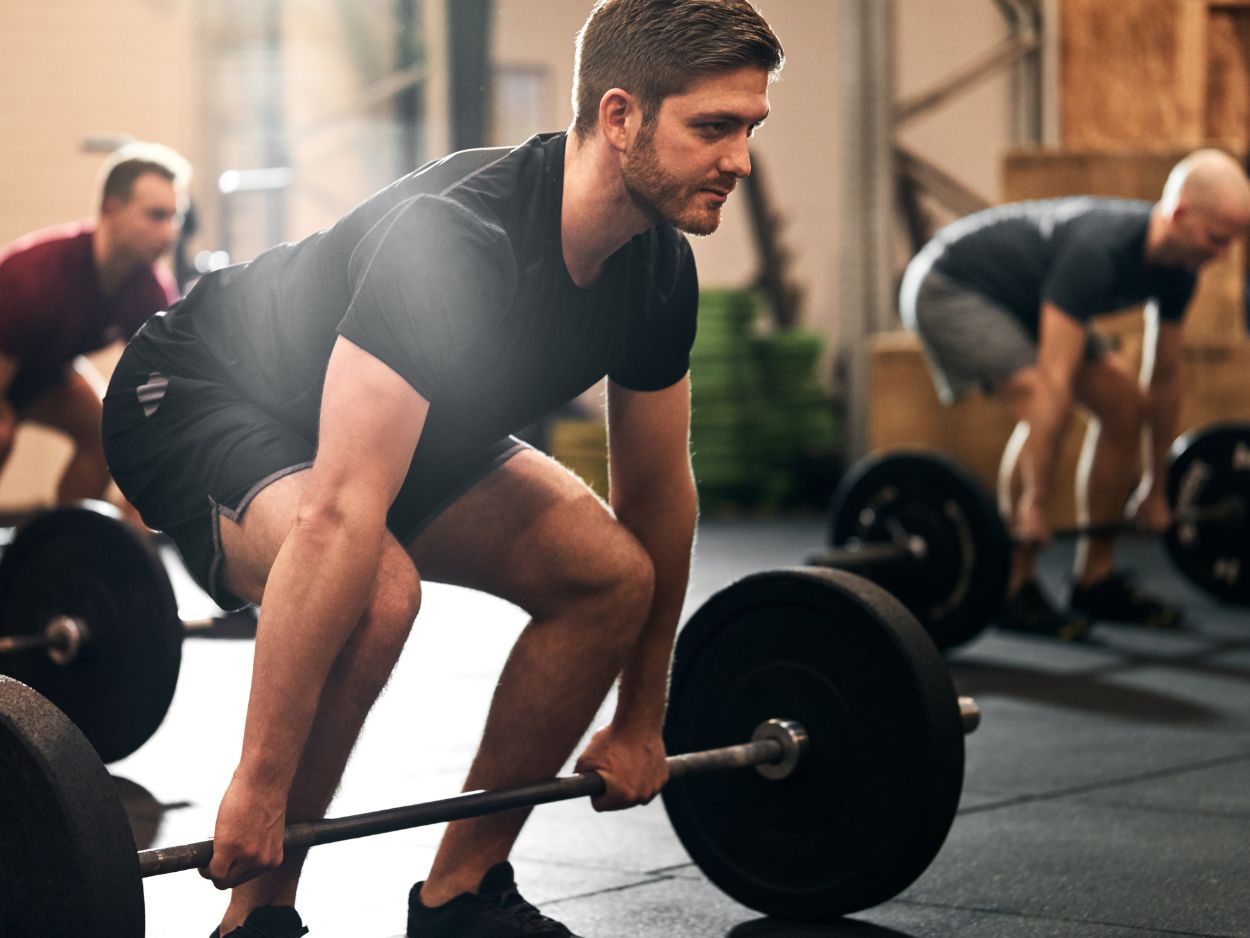
Weight lifting is essential, but strength incorporates many other facets, such as endurance, flexibility or elasticity, and bending without breaking. Building muscle, increasing bone density, and preventing injuries are all things you can achieve with weight training, and it doesn’t really matter at what point in your life you begin.
Resistance training can come in bodyweight exercises, resistance bands, or free weights: it contributes to daily movement, balance, and safety against falls and promotes overall health.
In this guide, we will discuss the science underlying resistance training, clear some false perceptions about it, and provide readily available insights into how resistance training can manifest in any individual’s routine, no matter their physical fitness stage.
What Is Resistance Training?
Most people associate resistance training with heavy lifting weights in the gym; however, it goes deeper than that. Resistance training builds resilience, strength, and stability against outside forces.
As we age, resistance training is essential for preserving our mobility and avoiding injuries. It demonstrates its value in practical situations.
A study in the Journal of Strength & Conditioning Research sought to examine a specific 12-week resistance training program for older adults aged 60 and 70. Improvements in metabolic markers, muscle mass, and balance resulted in better longevity and quality of life.
I observed similar outcomes with my clients, who initially hesitated to lift weights. After receiving specialized coaching, they gained confidence, strength, and energy.
Beyond Lifting Weights: The Versatility of Resistance Training
Resistance training’s versatility for all fitness levels is its most remarkable feature. The advantages can be obtained without expensive equipment or a gym membership.
- Body Weight Exercises: Squats, lunges, and push-ups, improve balance and coordination while targeting many muscle groups.
- Resistance Bands: While gentle on joints, these bands help people recover from injuries by offering controlled resistance, which builds strength.
- Free Weights: Kettlebells and dumbbells can help develop functional principles of strength that are beneficial for everyday life, like going up and down stairs and carrying groceries.
- Functional Movements: Training that copies daily actions boosts stability, reduces fall risk, and enhances mobility for the long term.
Why Strength Trumps Cardio for Aging Well
Resistance training is essential for longevity, even though cardiovascular exercise is excellent for heart health and endurance.
Research shows that resistance training maintains lean muscle mass, boosts bone density, and stabilizes joints. These benefits are key for staying active and avoiding injuries as we age.
According to National Strength and Conditioning Association (NSCA) research, resistance training is one of the best ways to maintain mobility and decrease sarcopenia, an age-related muscle loss.
Dispel the Myths: Strength Training is for Everyone
It’s commonly believed that lifting weights will make a person too big or that strength training can harm older adults.
What’s the reality? Planned resistance training is safer than skipping it. It helps prevent joint degeneration, strengthens bones, and lowers the risk of falls. Furthermore, gaining lean muscle does not imply getting too big; instead, it means maintaining the body against harm and improving function in general.
Anyone who has muscles and bones can benefit from strength training says Matthew Guffey, a fellow personal trainer and the owner of a strength training gym in San Jose, CA. “Many people think they don’t need to lift weights because they’re not athletes, but that couldn’t be further from the truth. Strength training benefits anyone of any age.”
I use a unique, client-focused method to add resistance training to my clients’ daily lives. I visit the places they love most. His customized sessions guarantee accessibility and consistency, two essential components of long-term fitness success, whether at home, in a park, or at a private gym.
Resistance training is essential for maintaining one’s ability, independence, and resilience at any age—it’s not about looking strong.

Strength Training and Longevity: The Scientific Backing
Movement is more important for a long, healthy life than genetics alone. This is aging done right. Resistance training promotes resilience in the body, thereby preventing injury, illness, and cognitive decline. Strength training does it all.
Fight against Sarcopenia: Strong Muscles for Life
Muscle loss, or sarcopenia, begins soon after age 30 and continues into later ages, increasing at many levels. Medical ramifications of this decline include frailty, reduced mobility, and a high risk of falls.
Research published in the Journal of Strength & Conditioning Research shows that resistance training slows and reverses muscle loss in older adults. People in progressive strength training maintain muscle mass and independence well into old age.
Metabolism & Disease Prevention: More than Just Strength
Please understand me; strength training significantly improves metabolic health. The proper training raises the resting metabolic rate, keeping the body in burn mode for hours after the workout. This is crucial in promoting weight control and blocking metabolic disease, especially type 2 diabetes.
Regular resistance training boosts insulin sensitivity, helping the body control blood sugar levels better. It also strengthens the heart while lowering blood pressure and chronic inflammation, two key factors for heart problems.
Stronger bones, fewer injuries
A person who mainly needs to concentrate on weight-bearing exercises like deadlifts and squats will likely keep the bones strong and healthy. Resistance training eliminates osteoporosis by establishing osteoblasts and increasing the strength of bones and their reconstruction.
Reduced fracture risk and enhanced bone density are among the remarkable benefits resistance training imparts to postmenopausal women, as stated by a study in Osteoporosis International. By including this in my training, I guarantee that every single one of my clients, no matter their age, develops the strength to prevent accidents and falls.
Cognitive Brain Gains through Strength Training
The mind benefits just like the body. New research suggests that resistance training may bolster memory and executive processes and may also lessen the risk of developing neurodegenerative diseases like Alzheimer’s.
Older adults who performed strength training showed better brain health than inactive adults. A study in Neurobiology of Aging found they had improved neural efficiency and retained more brain volume. Strength training improves mental acuity and muscle growth.
Strength Training as a Shield against Injuries
A body that is resilient enough to handle life’s challenges is more critical for injury prevention than preventing accidents.
Resistance training serves as handicap protection against injuries. However, many people skip it for cardio. Strengthening muscles, stabilizing joints, and reinforcing movement patterns make strains, sprains, and severe falls less likely.
Joint Health & Stability: The Foundation of Injury Prevention
Since joints bear the most stress during movement, they are susceptible to damage if muscles do not provide enough support.
Strength training strengthens the muscles surrounding joints, providing a natural cushion against impact. This is especially crucial for regular high-impact activities like running, sports or walking.
Resistance training boosts joint stability and reduces injury risks. Research in the American Journal of Sports Medicine shows it helps prevent issues like rotator cuff strains and ACL tears. Indeed, for joint and mobility restrictions, having an individualized strength training program in place makes all the difference.
As a mobile personal trainer, I visit customers at private gyms, parks, and homes. I create exercises that consider their limits and help strengthen their joints. Instead of worsening joint stress, I want to ensure that the proper form and progression lessen it.
Posture & Daily Functionality: Strength Beyond the Gym
Besides being an aesthetic concern, poor posture is a significant cause of injuries and chronic pain.
For instance, a weak core puts undue strain on the lower back, resulting in pain and decreased mobility. Core-focused strength training strengthens the midsection, lowering back pain and enhancing posture. Examples of these exercises include resistance band rotations, planks, and deadlifts.
Thanks to functional resistance training, the body is ready for daily activities outside the gym, like climbing stairs, carrying groceries, and getting out of a chair. I help clients add strength to their daily lives by focusing on practical ways to do this. This allows them to build resilience in the areas that matter most.
Reducing Fall Risk & Accelerating Recovery
Falls are a leading cause of injury, especially for older adults, but they can be prevented. Resistance training improves lower-body strength, balance, and coordination, all essential for lowering the chance of falling. Simple activities that strengthen the legs and core, such as step-ups, lunges, and squats, also reduce the risk of falling.
Resistance training is vital for injured people. Strengthening the surrounding muscles can speed up rehab from shoulder injuries, knee pain, and persistent lower back discomfort. My mobile training model lets clients recover in their own space. They follow a personalized plan designed for them.
Strength training helps you move through life with durability and confidence, not to become stronger. When used with care and strategy, it becomes the best defense against injuries, enabling people to remain active, self-sufficient, and pain-free for many years.

Accessible Strength Training Approach without Barriers
Accessibility, not physical prowess, is one of the main obstacles to resistance training.
Many people hesitate to add strength training to their routines. They might fear gyms, have busy schedules or lack a membership. A mobile personal trainer can remove these obstacles by providing efficient, customized training to clients’ preferred locations.
Removing Common Excuses
Time and convenience are usually the most common excuses for not doing resistance training.
Most individuals find going to the gym a hassle or really intimidating because of the size of the equipment. Mobile strength coaching fits into clients’ schedules. It may involve resistance band training at a park, bodyweight workouts in their backyard, or lunchtime sessions at the office.
This flexibility guarantees that fitness becomes a regular and controllable habit instead of an extra source of stress.
Personalized Training for Every Individual
Strength training aims to increase mobility, resilience, and general health and help people lift enormous weights.
A mobile personal trainer creates a unique program for every client. They look at joint health, mobility issues, and long-term wellness goals. The goal is to develop functional strength, which enables effective and painless movement in day-to-day activities rather than focusing on aesthetics.
Studies from Harvard Health show that resistance training helps reduce the risk of injury and frailty as we age. It boosts muscle endurance, increases bone density, and improves balance.
Why Mobile Training is Ideal for Seniors & Busy Professionals
Training at home or in a familiar setting helps older adults feel more confident and stick to their regimen.
Chair squats, controlled movements, and resistance band exercises keep your muscles strong and help your joints work better. Best of all, you don’t need bulky equipment to do them. Professionals with hectic schedules enjoy effective, excuse-free workouts that fit into their day and do not require travel to a gym.
Accurate Results, Real People
Transformations in real life are the best way to illustrate the effectiveness of resistance training. Mobile personal training provides tangible benefits for everyone. For example, a busy parent can improve their posture and reduce chronic pain. Meanwhile, a retiree can regain the strength to climb stairs without discomfort. Training tailored to a person’s surroundings and way of life guarantees possible results.
How to Start Resistance Training Safely
At the beginning of resistance training, establishing a solid foundation prioritizing safety and long-term success is more critical than concentrating only on lifting weights.
Choosing the appropriate strategy can make all the difference in avoiding injuries and guaranteeing consistent progress, regardless of whether you’re new to strength training or returning after a hiatus.
Start with an Initial Assessment
Before beginning any exercise, know your body’s limitations, strengths, and weaknesses.
To develop a customized plan that supports your objectives, a qualified trainer can check your movement patterns, mobility limitations, and any underlying medical conditions. This is particularly crucial for older adults or those recuperating from injuries.
By visiting home or another preferred location, I streamline this process further and offer a personalized experience in a welcoming environment.
Master the Fundamentals
Heavy weights are not necessary for resistance training. The primary objective should be learning the basic motions that improve strength and mobility while reducing the chance of injury.
Here are some beginner-friendly exercises:
- Chair Squats are regulated sit-to-stand exercises that improve lower body strength and balance.
- Wall push-ups improve the performance and form of the upper body while also aligning joints.
- Resistance Band Rows strengthen the back and improve posture, which reduces the risk of slouching and back issues.
- Hip Hinges work to keep the posterior chain of the lower back, hamstrings, and glutes strong enough to keep you moving and from falling.
Progress Gradually
One of the most frequent errors beginners make is doing too much too soon. Following the gradual progression principle is crucial. This principle calls for starting with bodyweight exercises and increasing resistance over time using bands, dumbbells, or everyday objects. Over time, strength gains are the result of consistency rather than intensity.
Prioritise Recovery
One puzzle piece is strength training; the other is proper recovery. In this light, physical development requires enough sleep, hydration, and balanced nutrition.
The American Council on Exercise (ACE) recommends giving muscle groups a 48-hour rest between workouts to avoid using too much or injuring the muscles. Following these recommendations, coupled with consultations from a trainer who knows your current fitness level and physical condition, would help develop strength, injury prevention, and longevity.
Overcoming Common Strength Training Barriers
Beginning a strength training program presents more challenges than one might expect. Life becomes hectic, worries about getting hurt start to surface, and motivation varies. However, the correct strategy can overcome these obstacles; significant adjustments are unnecessary.
A mobile personal trainer who meets clients at their location—both in physical presence and progress in their fitness journey—can make strength training more accessible and sustainable.
Are You Busy? Keep It Short and Effective
One of the most pervasive misconceptions concerning strength training is that it requires extended gym hours.
What’s the truth of the matter? A carefully thought-out 20-minute resistance training session can be as beneficial regularly as its more drawn-out counterpart. Focusing on compound movements that work for multiple muscle groups simultaneously will help you get stronger.
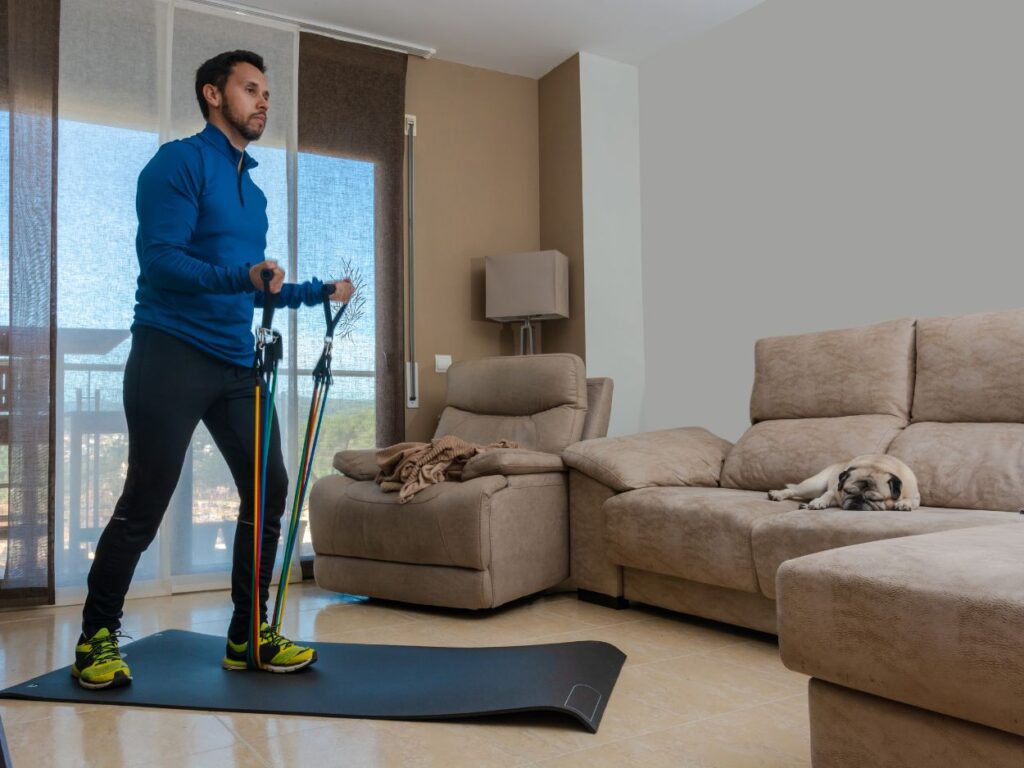
When performing easy exercises with resistance bands, body weight, or light weights in your living room, office, or outdoor area, there is no need for a gym.
Worried About Injury? Get Expert Guidance
People often avoid lifting weights because they fear injury. Expert advice is invaluable here. A trainer evaluates mobility, strength imbalances, and movement mechanics to create a safe, structured program that builds confidence and ability over time.
According to the American College of Sports Medicine (ACSM), proper resistance training can reduce the risk of injuries by strengthening muscles and stabilizing joints (ACSM).
Lacking Motivation? Make It Convenient and Enjoyable
Motivation flourishes in familiar and comfortable settings. It is easier to maintain consistency when you train at home or another preferred location because you drop the intimidating atmosphere of a busy gym. Additionally, having a trainer come to you encourages accountability because workouts become a habit rather than a chore when they blend in with your daily schedule.
By removing these typical obstacles, strength training becomes workable and valuable, improving long-term health and reducing the risk of injury.
Strength for Life: The Power of Resistance Training
Strength is not merely the ability to lift weights; it means improving your quality of life.
Resistance training is a practical exercise for resilience, mobility, and independence while aging. It keeps bones strong, prevents injuries, and guards against muscle loss, which means remaining active and capable for many years.
However, strict workout routines and intimidating equipment are unnecessary for developing strength.
You can avoid these obstacles with my mobile personal training method, which makes professional advice available wherever you are most comfortable—at home, in a park, or in a private gym. Strength training can become an integrated, sustainable lifestyle with a customized, hands-on approach.
Are you prepared to develop lifetime strength? I can offer professional strength training right to your door. Schedule a customized consultation to begin your journey today and take the first step toward a healthier, stronger future!