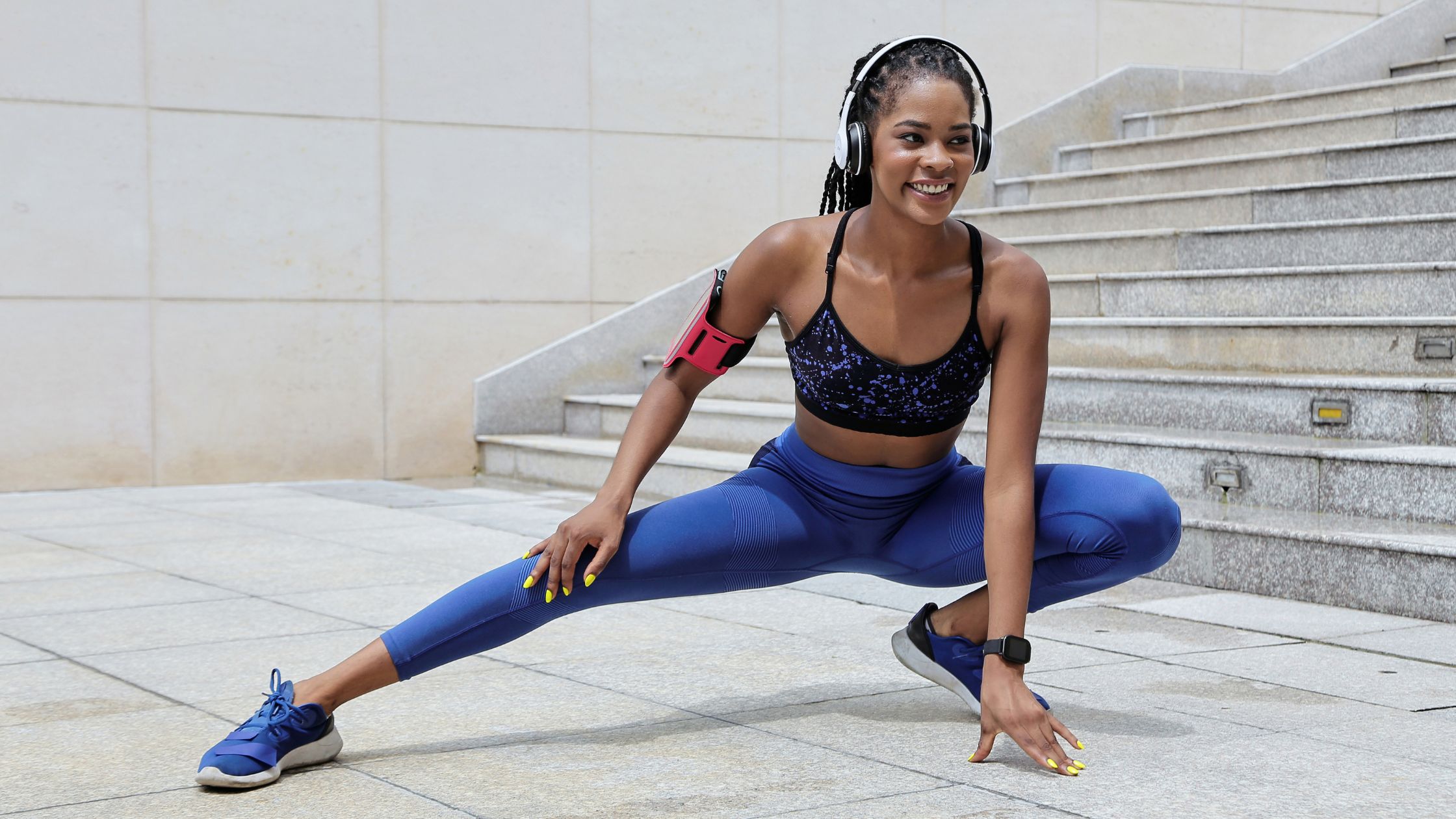
Even with your strength and focus, are you still dealing with back pain? Do you find it hard to get up from the floor or feel tired after training? These are signs that you’re missing two-thirds of what I call the fitness formula: mobility and longevity. If you ignore these crucial aspects, it won’t be long before you get injured or burnt out.
I see this a lot with high achievers. They optimize their careers but overwork their bodies like old computers. Would you run a Fortune 500 company on 2010 software?
Proper fitness depends on three factors:
- Strength (ability to act),
- Mobility (pain-free movement),
- Longevity (training is more innovative with age).
Most exercises focus on sweat or beauty, neglecting sore joints and creeping exhaustion. Consequence? Injuries, burnout, and a body that gives up on you.
As a long-time personal trainer, I understand the importance of a holistic fitness approach better than most. I see the consequences of neglecting it when people come to me with chronic pain and stiffness. Unlike most fitness coaches, I don’t just focus on sweat or beauty. I use a more scientific approach that blends your strength work with mobility for your joints and recovery techniques. This unique approach lets people perform at 50 like they did at 30.
Why the Fitness Trifecta Matters
Imagine easily lifting your heavy bags up onto the airplane overhead compartment. You stop to grab your toddler’s toy without a fuss. You keep climbing mountains at 70. That’s the power of the fitness trifecta—strength, mobility, and longevity. If you ignore one, the others collapse. All three are necessary for a life of vitality, especially when your most precious asset is time.
Strength: Your Body’s Armor
Strength is way more than pumped-up biceps. It affects how you function in day-to-day life. Strength training strengthens you, of course, but it also:
- Tones your metabolism – muscle burns calories even when you’re sleeping.
- Spares your joints – strong muscles = fewer injuries.
- Makes you more resilient – studies show it reduces back pain and fall risks by up to 50%.
Deadlifts target the posterior chain, which includes the glutes, hamstrings, and lower back. Strengthening these muscles is key for good posture, not “desk hunch.” And sitting all day can tighten your hips. If you’re not mobile, this tightness may lead to lower back strain during deadlifts.
Mobility: Your Secret Weapon for Effortless Movement
Mobility is not yoga, although that can be useful. What mobility means is strength and control through your range of motion. Do you squat low to grab a wineglass without wobbling? That’s mobility.
Benefits are:
- Injury avoidance (no more strained shoulders on golf swings).
- Pain-free movement (say goodbye to stiff mornings).
- Increased performance (explosive power in tennis serves or smooth-glide golf swings).
If you’re working on mobility, chances are your hip mobility could use a boost. Try hip-opening exercises such as lunges with a twist. This helps relieve the stiffness from sitting in boardroom chairs for hours. Result? Less back pain and sharper movement. And who can forget the far fewer “I’m too old for this” moments.
Feeling stiff before your workout? I’ve got another exercise for you to try. I got this one from Joe at Dirty Water Fitness, the best gym in Cambridge, MA I’ve ever been to. He calls it “The World’s Greatest Stretch”:
Longevity: The Ultimate ROI
A long life isn’t necessarily better than a shorter one. What if the quality of those years isn’t good? So longevity just as much about adding years as it is about adding quality. And exercise is “medicine” for slowing aging at the cellular level. How?
- Telomeres (your DNA caps) shorten with age, but exercisers maintain theirs longer.
- Mitochondria (your cells’ energy factories) rise with strength training, driving energy.
- Inflammation (linked to diseases like Alzheimer’s) reduces with regular activity.
Consider a 50-year-old who prioritizes walks, resistance bands, and mobility exercises. It’s not just “being active.” By doing so, she can lower her diabetes risk by 30%. This also protects her brain. Plus, she ensures she can dance at her granddaughter’s wedding.
The Trifecta in Action
Omitting one foundational pillar leaves gaps.
What does strength without mobility mean? Injuries. Mobility without strength? Reduced power. Both without longevity habits? A shorter health span.
Here’s your playbook:
- Match strength with mobility: Include hip stretches after deadlifts.
- Move daily: Even 10 minutes of bodyweight exercises (consider: squats, push-ups) preserve muscles.
Consider long-term: Consistency > intensity. A 20-minute resistance band workout trumps an infrequent 2-hour gym session.
You might be tempted to neglect things don’t immediately make you feel “the burn” or sweat a lot. But the fitness trifecta is a necessity in a hectic life. Strength gives you power. Mobility keeps you active. Healthy habits help you enjoy both for years. Investing in all three ensures that you’re not just surviving but thriving. Remember, time is money, but health is wealth.
Why Generic Fitness Programs Fail You?
Suppose you’ve committed to a “proven” workout plan from a glossy magazine. Six weeks in, your shoulders ache, your knees creak, and you’re bored. Sound familiar? Generic fitness programs are cookie-cutter plans made for everyone, not for you.
Here’s why they fail high performers like you, and what to do instead.
They Ignore Your Body’s Blueprint
Generic plans provide the same treatment for everyone. But your body isn’t average. You could sit for 10 hours daily (hello, tight hips). Or you may have a prior injury (such as David, a client who destroyed his shoulders chasing deadlift PRs).
One of our clients had a heavy-lifting program. However, it missed shoulder stability exercises. The result? Chronic pain! The solution? His trainer inserted rotator cuff exercises and posture drills. Pain vanished, and strength improved.
Takeaway: Adjust your routine based on your imbalances, lifestyle, and goals. Don’t limit yourself.
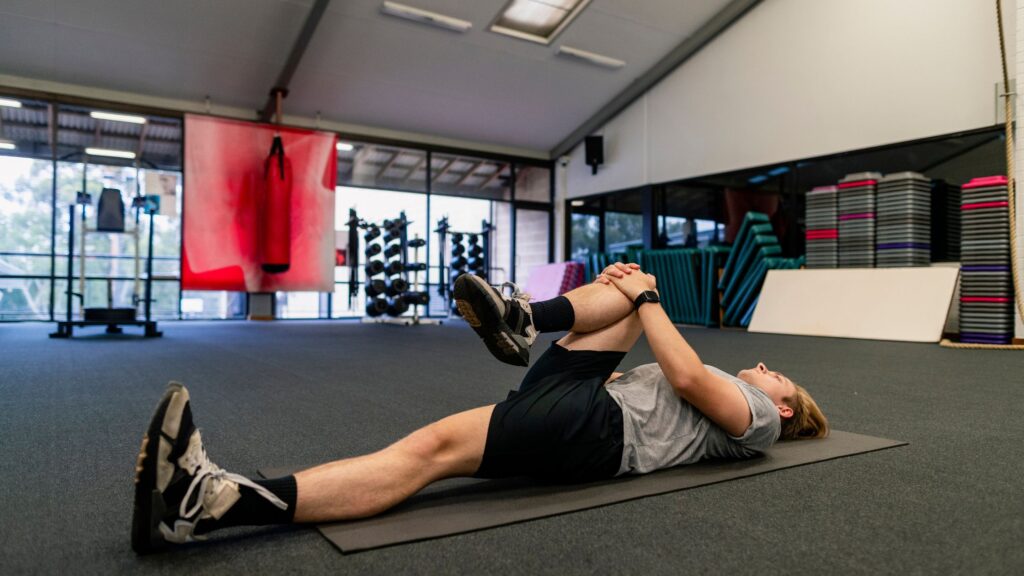
They Sacrifice Long-Term Health for Short-Term “Gains”
Most programs scream, “No pain, no gain!” They translate to burnout or injury ahead in most cases. High-intensity classes might torch calories today, but what about tomorrow?
For instance, a CEO destroys day-to-day HIIT but acquires knee discomfort. Why? The plan forgot her weak glutes and subpar mobility. A customized combination of strength, Pilates, and recovery keeps her going without surgery.
Takeaway: Fitness isn’t a sprint. It’s an entire lifetime marathon. Programs must build resilience, not destroy you.
They Skip the Essentials: Mobility & Recovery
Generic plans target sweat, not sustainability. They’ll have you do burpees, but they leave out foam rolling and sleep tips.
Take an example from a lawyer on a “shred in 30 days” regimen. He’s exhausted, knotted, and gives up. A better approach? Combine strength training with dynamic stretches, like lunges with rotations. Also, make sure to get enough sleep. Energy rockets skyward. Progress doesn’t suffer.
Lesson: Mobility and recovery are not add-ons—they’re non-negotiable for busy living.
The Fix? Personalize Your Trifecta
You wouldn’t put on someone else’s bespoke suit. So why settle for a mass-produced fitness plan? Your body is unique, and your fitness plan should reflect that. Now is the time to invest in a fitness trifecta tailored to your needs and goals.
Below is your playbook:
- Screw the “all or nothing” approach: 20 minutes of focused work, like using resistance bands and doing hip stretches, is better than hours of aimless effort.
- Demand customization: A good trainer assesses your movement, goals, and lifestyle and creates a plan that fits you.
- Balance the pillars: Pair strength with mobility drills (e.g., deadlifts + hip openers). Add walks for longevity. Track sleep like your stock portfolio.
Generic programs fail because they’re designed for nobody. You’re not nobody. Your fitness should reflect your life, your body, and your ambitions. Strength, mobility, and longevity aren’t luxuries—they’re essentials. Treat them that way, and you’ll outlast every fad.
Harmonizing the Fitness Trifecta
This isn’t gym-floor guesswork for us.
Imagine a fitness plan just for you. Enjoy 1:1 sessions with a pro who has 15 years of experience. You can do this at home, avoiding traffic and distractions. We combine excellent athletic training, precise physiotherapy, and whole-body health into 60-minute sessions. These sessions offer more value than typical 90-minute workouts. They get you results. Your goal is worth more than a template answer. It’s worth a blueprint in our vision.
This is how we balance strength, mobility, and longevity to help you thrive, not survive.
The Three Pillars of the Trifecta
- Strength That Works for You (Not Against You)
- Strength isn’t an ego boost. It’s about hanging in.
- Compound movements (deadlifts, squats) build functional strength for daily activities.
- Prehab drills (scapular squeezes, rotator cuff work) fix imbalances before injuries occur.
- Progressive overload—but only after your joints can handle it.
One of our clients’ shoulder pain disappeared when we swapped bench presses for reverse flyes and dumbbell rows. A stronger back, happier shoulders.
Mobility: Your Secret Weapon for Combating Stiffness
Mobility isn’t yoga. It’s liberty.
- Dynamic warm-ups (hip openers, thoracic rotations) prepare you to move.
- Recovery rituals (foam rolling, lacrosse ball release) reverse desk-induced damage.
- Use joint-friendly options like TRX squats instead of heavy barbells to protect your knees and hips.
Our triathlete client did cycling, morning hip flexor stretches, and breathing exercises. The result? Pain-free knees and a podium finish.
Longevity: Train like you’ll live to 100
Aging is not a slogan. It’s preparation.
- HRV tracking for optimal recovery (no longer wondering if you’re overtraining).
- Low-impact cardio (swimming, walking) builds endurance without wearing out joints.
- Athletes do isometric holds, like planks and wall sits, to build core stability, not just to follow trends.
One of my executive clients is 55 years old. He does 10-minute mobility exercises after meetings. He also practices breathwork at night. Today, he walks circles around his 30-year-old peers.
Our Playbook to Use the Fitness Trifecta
Step 1: Audit Your Weak Links
- Can’t touch your toes? Start with 5 minutes of daily cat-cow stretches.
- Shoulders ache after lifting? Add band pull-aparts before work.
- Always fatigued? Track sleep and HRV for a week. Adjust intensity as necessary.
Step 2: Mix, Don’t Force
- Alternate strength days with mobility (deadlifts + hip-flexor stretches).
- Swap out one HIIT session for a walk or swim. Your joints will thank you.
- Use “dead time” (like Zoom holds or airport layovers) for quick workouts. Try calf raises or seated twists.
Step 3: Plan Decades Rather Than Days
- Progress at a gradual pace. Add 5 lbs to lifts per month, not per week.
- Schedule “deload weeks” every 6 to 8 weeks (lighter weights, increased mobility).
- Celebrate non-scale victories: pain-free shopping for groceries, tag play without puffing.
Why My Fitness Approach Works for Busy People?
There are no two-hour gym sessions or restrictive diets. This fits your lifestyle. It offers 10-minute mobility exercises instead of quick workouts. Home-friendly gear, such as bands and lacrosse balls, is more suitable for crowded gyms. Progress monitoring through HRV and sleep statistics is greater than guessing games.
Fitness is not being “fit.” It’s living on your own terms — closing deals, running after kids, or scaling mountains. The trifecta isn’t a privilege; it’s your right. Complete the project. Start planning. Your future self will write the thank-you note.
Conclusion
Real fitness is not weight—it’s free movement and being strong for a lifetime. Strength, mobility, and longevity can coexist as objectives. Go through your routine: Does it cover all three? If so, it’s time to level up. Ditch the shortcuts. Build a body that can last. Ready to thrive? Book your plan today—no more guessing.
PS: Interested in learning where your fitness trifecta is? Book a complimentary assessment session NOW! Learn where your trifecta positions you.